Table of Contents
Gray Hair? Try Root Touch-Up!, The sudden appearance of gray hairs can be an unwelcome surprise for many, signaling a gradual shift in one’s natural hair color. This phenomenon, largely driven by genetics and the aging process, leads to a reduction in melanin production within the hair follicles. While some embrace this transition, others seek methods to maintain their original hair shade. Root touch-up products offer a practical and immediate solution for camouflaging new gray growth at the hair’s base, effectively extending the time between full hair coloring appointments. This article explores the mechanics, benefits, application, and considerations associated with using root touch-up solutions to manage visible gray roots.
Gray hair is a natural part of the aging process for most individuals. It is not, as the name might suggest, hair that has turned gray, but rather hair that has lost its pigment entirely. The human hair follicle contains melanocytes, specialized cells responsible for producing melanin, the pigment that gives hair its color. There are two primary types of melanin: eumelanin, which produces black and brown tones, and pheomelanin, responsible for red and yellow tones. The specific combination and amount of these melanins determine an individual’s natural hair color.
As one ages, the activity of these melanocytes gradually diminishes. This reduction in melanin production leads to new hair growth emerging with little to no pigment. These colorless strands, when mixed with pigmented hair, create the optical illusion of gray or silver hair. The exact timing and rate of graying are predominantly genetically determined, though lifestyle factors such as stress, diet, and certain medical conditions can sometimes influence the process. Environmental factors, though not the primary cause, can also play a minor role in overall hair health and appearance.
The perception of gray hair varies significantly across cultures and individuals. For some, it is a symbol of wisdom and maturity, a natural progression embraced without intervention. For others, particularly those who associate vibrant hair color with youth and vitality, the appearance of gray roots can be a source of concern. This discrepancy in perception drives the demand for various hair coloring solutions.
The Science Behind Pigment Loss
The process of hair graying, scientifically termed canities, begins when melanocytes in the hair follicle become less active or cease to function altogether. This cessation is often linked to oxidative stress within the follicle, which damages the melanocytes. Research suggests that a buildup of hydrogen peroxide, a naturally occurring byproduct of metabolic processes, plays a significant role. Normally, an enzyme called catalase breaks down hydrogen peroxide into water and oxygen. However, as one ages, catalase production can decrease, allowing hydrogen peroxide to accumulate and bleach the hair from the inside out.
Furthermore, stem cells responsible for replenishing melanocytes can also become depleted over time. Without a fresh supply of pigment-producing cells, new hair growth increasingly appears colorless. This process is not instantaneous; it typically occurs gradually, with a few gray hairs appearing first, followed by a more widespread transition over several years or decades. The location where graying begins most prominently can also vary, with temples often being one of the first areas to show noticeable gray strands.
Factors Influencing Graying
While genetics are the dominant force behind gray hair, several other factors can influence its onset and progression.
- Genetics: This is the most significant factor. If your parents or grandparents started graying at an early age, you are more likely to follow a similar pattern. Specific genes, such as IRF4, have been identified as having a strong association with hair graying.
- Ethnicity: Hair graying patterns can differ across ethnic groups. Individuals of Caucasian descent tend to gray earlier than those of Asian or African descent.
- Stress: While stress does not directly cause hair to turn gray overnight, chronic stress can accelerate the process. Research suggests that stress depletes melanocyte stem cells in hair follicles, leading to premature graying.
- Nutritional Deficiencies: Deficiencies in certain vitamins and minerals, particularly B vitamins (B12 and biotin), iron, copper, and zinc, can affect hair health and potentially contribute to premature graying. A balanced diet is crucial for overall hair vitality.
- Medical Conditions: Certain auto-immune diseases, such as vitiligo and pernicious anemia, can affect pigment production and lead to premature graying. Thyroid disorders can also impact hair health and color.
- Smoking: Studies have indicated a link between smoking and premature graying, suggesting that the oxidative stress induced by smoking can damage melanocytes.
Understanding these underlying factors provides context for why individuals choose to manage their gray hair, and how root touch-up products fit into this broader approach.
If you’re looking for additional tips on maintaining your hairstyle while managing gray hair, you might find the article on styling short hair particularly useful. It offers insights into how to enhance your look, making it easier to blend your root touch-up with your overall style. Check it out here: Tips for Styling Short Hair.
The Role and Benefits of Root Touch-Up Products
Root touch-up products serve as a targeted solution for addressing the visible contrast between newly grown, unpigmented hair at the roots and the previously colored lengths. They are designed for convenience and efficacy, offering users a means to maintain a consistent hair color without the commitment or cost associated with frequent full-head coloring. These products effectively bridge the gap between salon visits or home coloring sessions, extending the life of a hair color and providing a polished appearance.
Extending Color Life
One of the primary benefits of root touch-up products is their ability to extend the time between comprehensive hair coloring appointments. Full hair coloring, whether done professionally or at home, can be time-consuming and, in the case of salon services, expensive. Frequent application of permanent hair dye to the entire head can also lead to cumulative damage to the hair shaft due to chemical processing. By focusing only on the visible root growth, touch-up products minimize chemical exposure to the previously colored hair, thereby promoting overall hair health. This also allows for a more flexible schedule, as individuals can address their roots as soon as they become noticeable, rather than waiting until a full coloring session is due. Think of it as patching a small hole in a tire rather than replacing the whole tire – it’s a strategic, targeted repair that saves time and resources.
Cost-Effectiveness
Compared to booking a full salon coloring service every few weeks, using a root touch-up product is significantly more economical. Even home hair dye kits, while less expensive than salon visits, are still more costly than a single root touch-up product, especially when considering the amount of product used. This cost-effectiveness makes root touch-ups an attractive option for budget-conscious individuals who still wish to maintain their desired hair color. It is a pragmatic compromise that delivers aesthetic results without a substantial financial outlay. The value proposition is clear: a relatively small investment for a significant improvement in aesthetic consistency.
Convenience and Time-Saving
Root touch-up products are designed for quick and easy application, typically taking only a fraction of the time required for a full hair coloring. Many formulations are developed for on-the-go application, allowing users to address roots in minutes, often at home. This convenience is particularly valuable for individuals with busy schedules who may not have the luxury of extended salon appointments or dedicated home coloring sessions. The quick drying times and minimal mess associated with many root touch-up formats further enhance their appeal as a speedy beauty solution. It’s like applying a quick coat of primer to a wall before painting the whole room – a small effort now prevents a larger, more urgent task later. 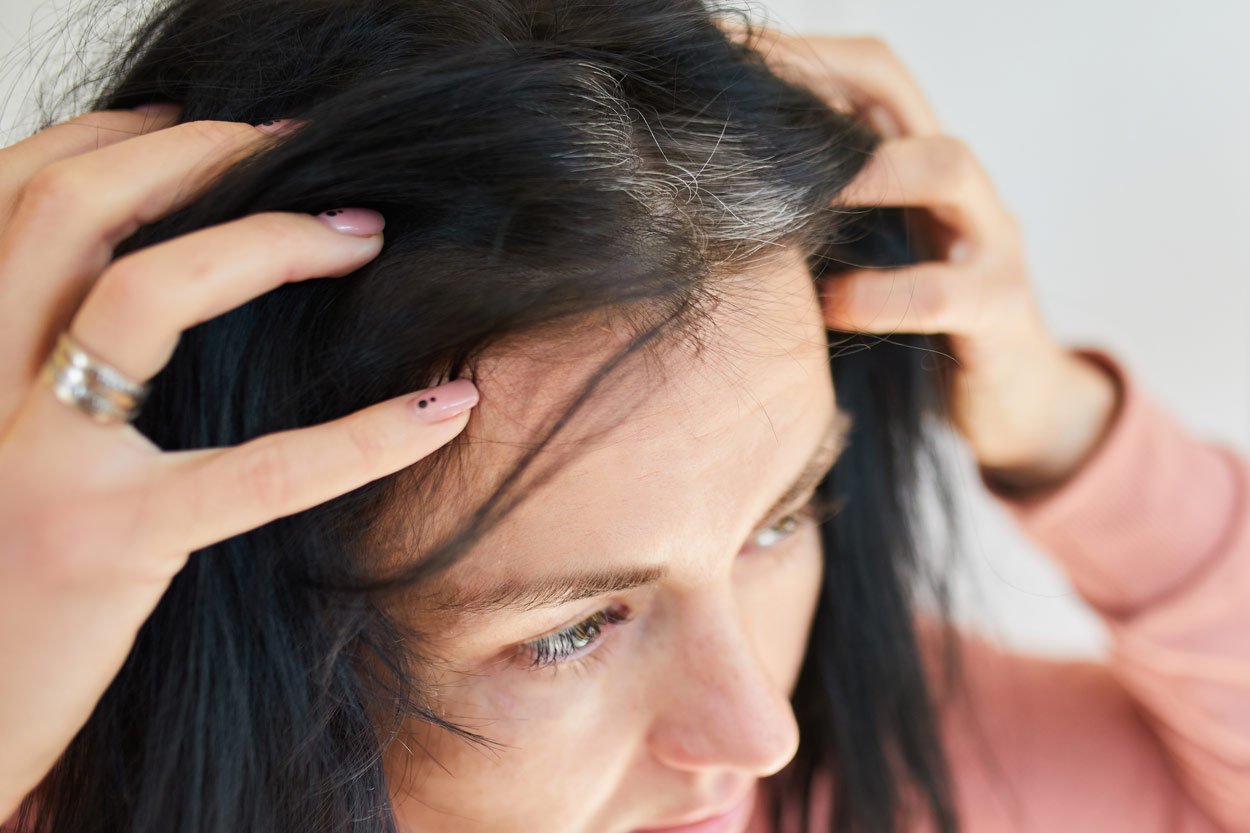 Types of Root Touch-Up Products
The market offers a diverse range of root touch-up products, each with distinct formulations, application methods, and longevity. Understanding these variations is key to selecting the most appropriate product for individual needs and preferences. From temporary solutions that wash out with shampoo to more permanent dyes, the options cater to different levels of commitment and desired permanence.
Temporary Solutions
Temporary root touch-up products are ideal for quick fixes and situations where a short-term color camouflage is needed. These products deposit pigment onto the surface of the hair shaft without penetrating it, meaning they are easily removed with shampoo. They are akin to applying makeup to your hair, providing immediate but transient coverage.
- Sprays: These aerosols deliver a fine mist of color that coats the roots. They are popular for their ease of use, wide coverage area, and quick drying time. Sprays are often used to cover larger sections of gray roots or to blend in a wider demarcation line. The color usually lasts until the next shampoo.
- Powders: Applied with a brush or sponge, powders are designed to adhere to the hair and scalp, providing a natural matte finish. They are excellent for precise application and can also add a slight volumizing effect at the roots. Powders are user-friendly and effective for subtle root coverage. Like sprays, they wash out with shampoo.
- Mascara-Style Wands/Sticks: These products resemble cosmetic mascara or lipstick, featuring a small brush or a solid stick applicator. They are perfect for targeting individual gray strands or smaller, more localized areas of root growth. Their precision makes them less ideal for widespread graying but excellent for detail work. They also offer temporary coverage.
Semi-Permanent Options
Semi-permanent root touch-ups offer a slightly longer-lasting solution than temporary products but still do not involve the use of strong developers or permanent dyes. They typically last through several shampoos, gradually fading over time. These products deposit color onto the hair’s outer layer, penetrating slightly but not deeply into the cortex.
- Gels and Foams: These formulations are applied directly to the roots and allowed to process for a short period before rinsing. They provide more robust color coverage than temporary options and fade gently. They are often peroxide-free and ammonia-free, making them a gentler alternative for some users.
Permanent Root Touch-Up Kits
For those seeking a more enduring solution without a full coloring process, permanent root touch-up kits are available. These kits contain permanent hair dye components (colorant and developer) specifically proportioned for root application. They provide long-lasting gray coverage that will not wash out and will only grow out as new hair emerges.
- Pre-Measured Kits: These kits are designed for convenience, providing precisely measured amounts of color and developer to ensure consistent results. They typically come with an applicator brush or bottle for targeted application directly to the roots. Permanent root touch-up kits offer the same longevity as full permanent hair dyes, meaning the color remains until the hair grows out or is re-colored. They penetrate the hair shaft to deposit color, permanently altering the hair’s pigment.
Application Techniques and Tips
Effective application is crucial for achieving natural-looking results with root touch-up products. While specific instructions vary by product, a few general principles and techniques can enhance the process and outcome. Precision, even coverage, and careful blending are the hallmarks of successful root touch-up application. Think of it as an artist painting a canvas, where careful strokes and blending are paramount.
Preparation is Key
Before applying any root touch-up product, proper preparation can prevent common issues and ensure optimal results.
- Read Instructions Thoroughly: Every product has unique instructions regarding application time, processing time, and rinsing. Adhering to these is paramount to avoid undesirable outcomes.
- Perform a Patch Test: This step is critical, especially for permanent and semi-permanent dyes. Apply a small amount of product to a discreet area of skin (e.g., behind the ear or inner elbow) 48 hours before full application to check for allergic reactions.
- Wear Protective Gear: Gloves are essential to protect hands from staining. An old towel draped over shoulders can protect clothing from drips or splashes.
- Damp vs. Dry Hair: Some products are designed for application on dry hair, others for slightly damp hair. Confirm this in the product instructions. Generally, dry hair allows for better color saturation.
- Section Hair: For more precise application, using clips to section hair can be helpful. Divide hair into four main sections (front, back, and two sides) to systematically address all areas of concern.
Applying Temporary Solutions
Temporary solutions prioritize speed and ease of use.
- Sprays: Hold the can approximately 6-12 inches away from the scalp. Spray in light, continuous motions, focusing only on the gray roots. Avoid over-saturating the hair, as this can lead to a stiff or unnatural look. Blend gently with fingers or a comb if needed. Allow to dry completely before touching or styling. Think of it as a light dusting, not a heavy coating.
- Powders: Dip the applicator brush or sponge into the powder. Gently dab or sweep the powder onto the gray roots, starting from the part line and working outwards. Build coverage gradually. The aim is to camouflage, not to create a thick layer. A small amount of powder can also be used to fill in sparse areas along the hairline.
- Wands/Sticks: For mascara-style wands, brush the colored bristles directly onto individual gray strands or hairline grays. For solid stick formats, simply rub the stick directly onto the roots. These are best for targeted, small areas.
Applying Permanent and Semi-Permanent Kits
These solutions require more precision and adherence to processing times.
- Mixing: For permanent kits, carefully mix the colorant and developer according to the manufacturer’s instructions. Ensure thorough mixing to activate the dye.
- Targeted Application: Using the provided applicator brush or bottle, apply the product directly to the gray roots. Focus primarily on the areas where gray is most visible, typically along the part, temples, and hairline. Try to avoid overlapping too much with previously colored hair to prevent color build-up and potential damage.
- Processing Time: Adhere strictly to the recommended processing time. Leaving the dye on for too long can lead to darker results or damage, while rinsing too early might result in incomplete gray coverage.
- Rinsing and Conditioning: Once the processing time is complete, rinse hair thoroughly with lukewarm water until the water runs clear. Follow with a color-safe shampoo and conditioner, often provided in the kit, to lock in color and maintain hair health.
If you’re looking for effective solutions to manage gray hair, you might find the article on Mother of the Bride hairstyles particularly interesting, as it offers insights into how to style hair for special occasions while considering root touch-up techniques. Many brides and their mothers want to look their best, and understanding how to blend or cover gray hair can enhance overall appearance. For more details, check out the article here.
Potential Challenges and Considerations
| Metric | Description | Typical Range | Notes |
|---|---|---|---|
| Application Time | Time required to apply root touch-up product | 10-30 minutes | Varies by product type and hair length |
| Coverage Effectiveness | Percentage of gray hair coverage achieved | 85%-100% | Depends on product formulation and hair texture |
| Longevity | Duration before next touch-up is needed | 3-6 weeks | Influenced by hair growth rate and product type |
| Common Ingredients | Active components in root touch-up products | Ammonia, peroxide, color pigments | Some products are ammonia-free for sensitive scalps |
| Application Frequency | How often users typically apply root touch-up | Every 3-6 weeks | Depends on individual hair growth and gray coverage needs |
| Cost Range | Typical price range for root touch-up products | 5 – 30 (units vary by region) | Prices vary by brand and product size |
| Hair Damage Risk | Potential for hair damage from repeated use | Low to Moderate | Using conditioning formulas can reduce damage |
While root touch-up products offer numerous advantages, users may encounter certain challenges or require specific considerations to ensure optimal results and hair health. Addressing these proactively can enhance the overall experience and prevent disappointment. It’s like navigating a river; with foresight and the right tools, you can avoid obstacles and reach your destination smoothly.
Matching Color
One of the most significant challenges with root touch-up products, especially permanent ones, is achieving a precise color match with existing hair. Variations in hair porosity, base color, and previous chemical treatments can influence how the dye takes.
- Undertones: Hair colors have warm or cool undertones. Mismatched undertones can result in a noticeable difference between roots and lengths, even if the primary shade appears similar.
- Fading: Previously colored hair may have faded, making it difficult to match a new, vibrant root color to an older, softer shade.
- Professional Consultation: If unsure, consult with a professional colorist. They can identify your precise hair color, undertones, and recommend specific shades or formulations. Sometimes, a full salon visit is the most reliable way to reset color uniformity.
- Strand Test: For permanent dyes, consider performing a strand test on an inconspicuous section of hair (e.g., underneath the hair near the nape of the neck) before full application. This allows you to evaluate the resulting color and processing time.
Product Build-Up
Frequent use of temporary root touch-up sprays or powders can sometimes lead to product build-up on the scalp and hair shaft. This can manifest as a dull appearance, a gritty texture, or even lead to scalp irritation and clogged follicles if not properly managed.
- Clarifying Shampoo: Incorporate a clarifying shampoo into your routine once a week or every two weeks. This type of shampoo is designed to remove residue from styling products, minerals from hard water, and other build-up.
- Thorough Rinsing: Always ensure you thoroughly rinse your hair after using any hair product, especially temporary touch-ups, to remove as much residue as possible.
- Rotate Products: Consider rotating between different types of temporary touch-ups or alternating with periods of natural wear to give your hair and scalp a break.
Potential for Damage (Permanent Dyes)
While root touch-up kits expose less hair to chemicals than full coloring, permanent dyes still contain chemicals that can cause damage if misused or overused.
- Overlapping: Applying permanent dye onto previously colored hair repeatedly can lead to “banding” (darker areas) and over-processing, which can cause dryness, brittleness, and breakage. Exercise caution to apply only to new growth.
- Processing Time: Adhering strictly to recommended processing times is crucial. Leaving dye on for too long, even on roots, can lead to damage.
- Hair Care Regime: Support your colored hair with a dedicated hair care regime that includes color-safe shampoos, conditioners, and regular deep conditioning treatments to maintain moisture and strength.
- Professional Application: If you find it challenging to apply permanent root touch-up precisely, consider seeking a professional colorist’s help to minimize potential damage.
Scalp Sensitivity and Allergies
Some individuals may experience scalp sensitivity or allergic reactions to ingredients in hair dyes, even in root touch-up formulations.
- Patch Test: As mentioned earlier, a patch test 48 hours before application is non-negotiable for permanent and semi-permanent dyes. This helps identify potential allergic reactions.
- Ingredient Awareness: If you have known sensitivities, scrutinize ingredient lists for common allergens like PPD (para-phenylenediamine), ammonia, and peroxide. Many brands now offer PPD-free or ammonia-free alternatives.
- Symptoms: Discontinue use immediately if you experience itching, burning, redness, swelling, or any other signs of irritation. Seek medical advice if symptoms persist or worsen.
By understanding and addressing these potential challenges, users can more effectively incorporate root touch-up products into their hair care routine, ensuring both aesthetic satisfaction and hair health.
Embracing or Concealing: A Personal Choice
The decision to conceal gray hair with root touch-up products, or to embrace the natural progression of graying, is a deeply personal choice. There is no universally “correct” approach; rather, it hinges on individual preferences, self-perception, societal influences, and evolving beauty standards. Root touch-ups serve as a tool in this personal journey, offering a practical solution for those who choose to maintain a consistent, non-gray hair color.
For many, maintaining their original hair color is linked to a sense of youthfulness or professionalism. The sudden appearance of gray roots can feel like an abrupt reminder of aging, which some prefer to manage proactively. Root touch-up products provide the agency to control this aspect of their appearance, offering confidence and a sense of continuity. They allow an individual to postpone the visual signs of aging at their own pace, acting as a personal editor to their evolving appearance.
Conversely, there is a growing movement towards embracing natural gray hair. Many celebrities and public figures have begun sporting their gray or silver locks, challenging the long-held societal pressure to conceal graying. This shift is influenced by a desire for authenticity, a rejection of constant maintenance, and an appreciation for the natural beauty of aging. For these individuals, gray hair is not a sign of decline but a mark of experience and wisdom, a natural crown that signals a life lived.
The utility of root touch-up products lies in their flexibility. They do not force a permanent commitment; rather, they offer a temporary or semi-permanent reprieve from visible gray. This flexibility allows individuals to experiment, to adapt their appearance based on mood, occasion, or current personal philosophy. One might use a root touch-up for a special event, and then allow their grays to show during a more casual period. This adaptability underscores their role as a personal styling tool, allowing each individual to author their own visual narrative.
Ultimately, whether one chooses to use root touch-up products is a reflection of their personal comfort level and aesthetic goals. It embodies the broader spectrum of self-expression and self-care. The availability of these solutions empowers individuals to make informed decisions about their appearance, providing the freedom to either meticulously manage their hair color or to gracefully transition into their natural gray. The purpose of these products is not to dictate a choice but to provide a means for individuals to enact their chosen aesthetic.
FAQs
What is a root touch-up for gray hair?
A root touch-up for gray hair is a cosmetic procedure that involves applying hair dye to the roots where gray hair has grown out, helping to blend the gray with the rest of the hair color and maintain a consistent appearance.
How often should I do a root touch-up for gray hair?
Typically, root touch-ups are done every 4 to 6 weeks, depending on how fast your hair grows and how noticeable the gray roots are compared to the rest of your hair color.
Can I do a root touch-up for gray hair at home?
Yes, many people perform root touch-ups at home using specially formulated root touch-up kits or hair dyes designed for easy application. However, professional touch-ups can provide more precise and longer-lasting results.
Are there specific products recommended for gray hair root touch-ups?
Yes, products designed for gray hair root touch-ups often contain pigments that effectively cover gray strands and may include conditioning ingredients to protect hair health. Look for products labeled for gray coverage or root touch-ups.
Is it safe to frequently dye gray hair roots?
Frequent dyeing is generally safe if done properly and with quality products, but overuse of harsh chemicals can cause hair damage or scalp irritation. It’s important to follow instructions carefully and consider using gentle, ammonia-free dyes or consulting a professional.
Our Beauty salon Hair by Molly is based proudly in Mission Texas 2614 E Griffin Pkwy Suite A, Mission, TX 78572. Book an appointment today by calling at 956-887-2297 or click here for a free hair consultation. Dont forget to follow us in our social media channels Instagram and Facebook and check our reviews on Google My Business. We eagerly await hearing from you soon!