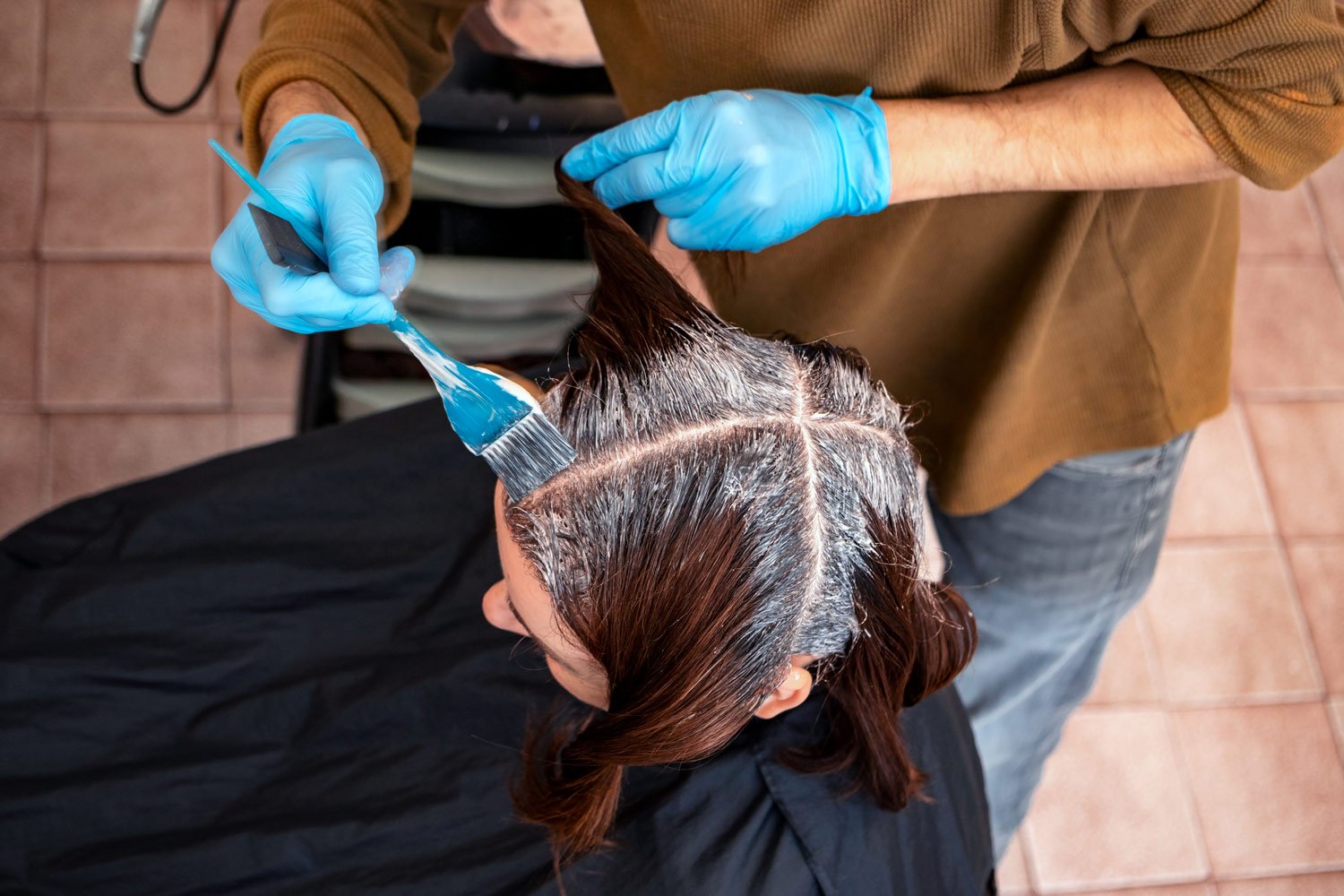
Gray Hair Retouch Service refers to a cosmetic treatment designed to conceal or camouflage gray hair. This service is typically offered by hair salons, barbershops, and specialized hair studios. The primary objective is to restore hair color to a shade closer to the individual’s natural hue, thereby diminishing the appearance of gray strands.
Gray hair is a natural phenomenon associated with aging. Melanin, the pigment responsible for hair color, gradually decreases production as individuals age. This reduction leads to the formation of colorless or white hairs, which are then perceived as gray when mixed with pigmented hair. The rate and pattern of graying vary significantly among individuals, influenced by genetics, ethnicity, and environmental factors.
The Biological Basis of Hair Pigmentation
Hair color is determined by the type and amount of melanin produced by melanocytes, specialized cells located within hair follicles. Two primary types of melanin are involved: eumelanin, which produces brown and black shades, and pheomelanin, which produces red and blonde shades. The specific combination and concentration of these pigments dictate the hair’s final color. As melanocytes age, their ability to produce melanin declines. This loss of pigment is what results in the visible graying of hair. In some cases, oxidative stress and DNA damage within melanocytes can also contribute to the premature graying of hair, a process known as canities.
Factors Influencing Graying
While age is the most common cause of gray hair, other factors can accelerate or influence the process. Genetic predisposition plays a significant role, meaning that if one’s parents or grandparents grayed early, it is more likely that their descendants will experience similar patterns. Certain medical conditions, such as thyroid disorders, autoimmune diseases (like vitiligo and alopecia areata), and pernicious anemia, have been linked to premature graying. Nutritional deficiencies, particularly a lack of vitamin B12, vitamin D, copper, and iron, can also impact melanin production. Environmental factors, including prolonged exposure to UV radiation, pollution, and stress, are also believed to contribute to the degradation of melanocytes and the onset of graying. The absence of these pigments leaves the hair shaft essentially transparent, and it appears white or gray due to light scattering.
The Psychological Impact of Gray Hair
The perception and societal attitudes toward gray hair can vary. While some individuals embrace their gray hair as a sign of wisdom and maturity, others view it as an indicator of aging and may experience a decline in self-esteem or confidence. This desire to maintain a youthful appearance often fuels the demand for services that address gray hair. The societal ideal of youthfulness, often promoted in media and popular culture, can create pressure for individuals to conceal signs of aging, including gray hair. This can lead to a significant market for products and services aimed at altering hair color.
If you’re considering a Gray Hair Retouch Service, you might find it helpful to read more about the importance of maintaining your hair’s health and vibrancy. An insightful article on this topic can be found at Hair by Molly, which discusses various hair care tips and services that can complement your retouching needs.
 The Gray Hair Retouch Service Explained
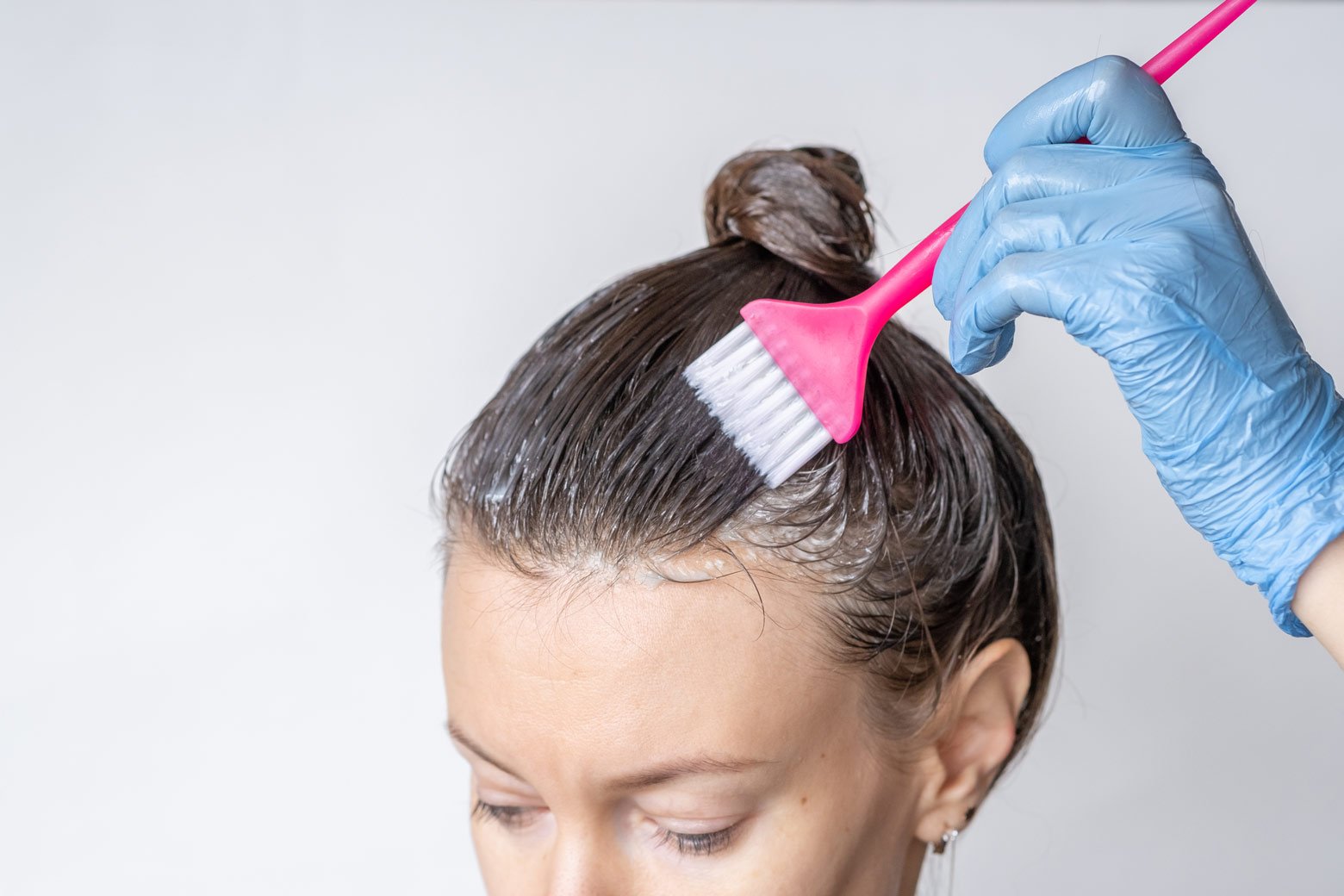
A gray hair retouch service is a broad term encompassing various methods employed to cover or blend gray strands. The execution of these services can range from DIY home kits to professional salon treatments. The core intention is to provide a temporary or semi-permanent solution to perceived cosmetic concerns associated with gray hair.
Types of Gray Hair Retouch Services
- Temporary Colorants: These products coat the hair shaft without penetrating it. They are easily washed out, typically within one to two shampoos. Examples include color sprays, powders, and chalks. These are often used for quick touch-ups between salon visits or for specific events. They act like a dusting of color, providing an immediate but superficial fix.
- Semi-Permanent Colorants: These dyes penetrate the outer cuticle layer of the hair shaft but do not reach the cortex, where permanent color changes occur. They deposit color molecules that gradually fade over several shampoos, usually lasting between 6 to 8 washes. Semi-permanent colorants are a good option for individuals who want to experiment with color or have minimal graying, as they offer a less committed approach than permanent dyes. They are like a watercolor wash on the hair, softening the appearance of grays.
- Demi-Permanent Colorants: Similar to semi-permanent dyes, demi-permanent colorants also deposit color without lifting the natural pigment. However, they are formulated with a low-volume developer and can slightly swell the hair cuticle, allowing the color to penetrate deeper than semi-permanent options. This results in a longer-lasting color, typically fading over 12 to 24 shampoos. Demi-permanent colorants can cover grays effectively and are often used for blending or refreshing existing color. They offer a more nuanced coverage, akin to a colored glaze that enhances the existing canvas.
- Permanent Colorants: These dyes work by lifting the natural pigment from the hair shaft using an alkaline agent and then depositing new color molecules into the cortex. This process results in a permanent change that cannot be washed out. Permanent colorants offer the most comprehensive gray coverage and are ideal for individuals with significant graying. However, they require more frequent root touch-ups as the natural hair grows out. Permanent color is like repainting a wall entirely, providing a strong and lasting transformation.
- Root Touch-Up Kits: These are specifically designed for at-home application to cover new growth containing gray hair between full color services. They typically contain a liquid or cream dye and an applicator brush or comb. Root touch-up kits aim to match the existing hair color, minimizing the visible line of demarcation between colored hair and gray roots.
Professional vs. At-Home Application
Choosing between a professional salon service and an at-home kit involves several considerations. Professional services offer expert knowledge of color matching, application techniques, and hair health assessment. A professional can accurately assess your natural hair color, the texture of your hair, and the percentage of gray coverage needed. They can also advise on the most suitable product to achieve the desired result while minimizing damage. At-home kits, while more accessible and cost-effective, carry a higher risk of application errors, uneven color results, and potential hair damage if not used correctly. The precision and expertise of a professional are like a skilled artisan crafting a piece of art, whereas an at-home kit is more akin to a hobbyist’s endeavor.
Salon Procedures and Techniques
When you visit a salon for a gray hair retouch, the process typically begins with a consultation. The stylist will ask about your desired color, assess your current hair color, and determine the best approach. For root touch-ups, the color is applied precisely to the new growth, avoiding overlapping onto previously colored hair to prevent damage and unevenness. For overall gray blending or coverage, the color might be applied from roots to ends. Techniques like balayage or highlights can also be used to strategically blend gray hair into the overall color, creating a more natural and multi-dimensional effect rather than a stark color contrast. This approach provides a softer transition, making the gray less noticeable.
At-Home Application Considerations
If opting for an at-home kit, careful adherence to instructions is paramount. This includes performing a strand test to check for color accuracy and potential allergic reactions. Proper sectioning of the hair and precise application of the colorant to the roots are crucial for an even result. Protecting the surrounding skin with petroleum jelly and wearing gloves are standard precautions. The timing of the color processing, as indicated by the kit, should also be strictly followed to avoid over-processing or under-processing the hair. This is like following a recipe precisely; deviating can lead to an undesirable outcome.
The Chemistry of Hair Coloring
Hair coloring, whether for retouching gray hair or achieving a new shade, involves chemical reactions that alter the hair’s natural pigment. Understanding the basic chemistry provides insight into the effectiveness and limitations of these services. The process is a delicate dance of molecules.
Color Pigments and Their Behavior
Different types of hair colorants utilize various dye molecules that interact with the hair shaft differently. Temporary colorants deposit large dye molecules on the outside of the hair cuticle, which are easily washed away. Semi-permanent and demi-permanent dyes contain smaller dye molecules that penetrate the cuticle and bind to the hair’s keratin structure. Permanent dyes involve a more complex chemical process. They contain both precursors (developers) and artificial color molecules. When mixed with an alkaline agent (like ammonia or an amine alternative) and an oxidizing agent (like hydrogen peroxide), the alkaline agent swells the hair cuticle, allowing the precursors to enter the hair shaft. The oxidizing agent then triggers a chemical reaction that forms larger, permanent color molecules within the hair cortex. This is the core transformation, the creation of new color from raw materials.
The Role of Developers and Oxidizers
Developers, typically hydrogen peroxide solutions, are essential in permanent and some demi-permanent hair coloring. They serve two primary functions: they lighten the natural hair color by breaking down melanin and they activate the dye molecules, causing them to form and bond with the hair. The strength of the developer (measured in “volumes” – 10, 20, 30, 40) determines the extent of lightening and color penetration. A higher volume developer will lighten hair more effectively but also poses a greater risk of damage. This is the engine driving the color change, its power dictates the speed and intensity of the reaction.
Ammonia and Alternatives
Ammonia has traditionally been used in permanent hair color as an alkaline agent to open the hair cuticle and facilitate the penetration of dyes and developers. However, ammonia has a strong odor and can be harsh on the hair and scalp. In response, many manufacturers now offer ammonia-free hair color formulations. These typically use alternative alkaline agents, such as monoethanolamine (MEA) or ethanolamine, which are often perceived as gentler. While ammonia-free options may be less potent in lifting natural pigment, they can still effectively deposit color and cover gray hair. This is like finding a gentler solvent that achieves a similar cleaning effect.
Maintenance and Longevity of Retouched Hair
The effectiveness and appearance of a gray hair retouch service are not solely dependent on the initial application. Proper maintenance is crucial for prolonging the color’s vibrancy and preserving hair health. This is akin to tending a garden; consistent care yields the best results.
Hair Care Practices
Using color-safe shampoos and conditioners is fundamental. These products are formulated with milder cleansing agents that are less likely to strip artificial color from the hair. They often contain ingredients that help to seal the hair cuticle, locking in color and moisture. Avoiding excessive heat styling, such as daily blow-drying at high temperatures or frequent use of curling irons and straighteners, is also important. Heat can degrade artificial color pigments, leading to premature fading and reduced shine. Protecting hair from UV exposure, which can also contribute to color fading, can be achieved with hats or UV-protectant hair products.
Shampoos and Conditioners for Colored Hair
Color-safe shampoos are typically sulfate-free, as sulfates are strong surfactants known for their ability to remove oils and dirt but also to strip hair color. These gentle cleansers maintain the integrity of the hair’s color molecules. Conditioners formulated for colored hair often contain ingredients like silicones or natural oils that smooth the hair cuticle, reduce frizz, and enhance shine, making the color appear more vibrant. They also often contain UV filters to protect the color from sun damage. These products act as a protective shield for your newly colored hair.
Minimizing Heat Damage
When heat styling is necessary, using a heat protectant spray or serum is highly recommended. These products create a barrier between the hair and the heat styling tool, reducing moisture loss and preventing damage. Lower heat settings on styling tools should be employed whenever possible. Air-drying hair when feasible can also significantly reduce heat exposure. The goal is to minimize the thermal assault on the hair shaft.
Frequency of Retouching
The frequency with which gray hair needs retouching depends on the rate of hair growth and the chosen coloring method. Permanent hair color typically requires root touch-ups every 4 to 8 weeks, as new gray hair emerges from the scalp. Semi-permanent and demi-permanent colors fade over time and may require reapplication sooner, depending on the desired intensity and the product’s longevity. Some individuals opt for blending techniques or highlights to reduce the frequency of harsh root touch-ups, allowing for a more seamless regrowth.
Root Growth and Visible Lines
As hair grows, a visible line of demarcation can appear between the colored hair and the gray roots. This is the most common reason for needing regular root touch-ups. The rate of this visible line depends on individual hair growth speed. For instance, if hair grows at an average rate of about half an inch per month, significant gray roots can become apparent within a few weeks. The pursuit is to maintain a consistent color profile from root to tip.
Fading and Color Refreshment
Semi-permanent and demi-permanent colors gradually fade as the dye molecules wash out. This fading can be influenced by factors such as washing frequency, water temperature, and exposure to elements like chlorine in swimming pools. When the color starts to look dull or less vibrant, a color refresh service may be needed. This can involve reapplying the same color or using a color-depositing conditioner to boost the tone.
If you’re considering a Gray Hair Retouch Service, you might also find it interesting to explore the benefits of various hair treatments that can enhance your overall look. For instance, the truth behind Brazilian Blowouts reveals how this popular treatment can help manage frizz and improve the texture of your hair, making it easier to maintain your color and style. Understanding these options can provide you with a more comprehensive approach to hair care and styling.
Potential Risks and Considerations
| Service Feature | Description | Average Duration | Frequency Recommended | Customer Satisfaction (%) |
|---|---|---|---|---|
| Coverage | Full gray hair coverage with natural-looking color | 45-60 minutes | Every 4-6 weeks | 92 |
| Color Options | Customizable shades to match natural hair color | N/A | N/A | 89 |
| Touch-up Service | Root touch-up for regrowth areas | 30-45 minutes | Every 3-5 weeks | 90 |
| Hair Health | Use of ammonia-free and nourishing formulas | N/A | N/A | 85 |
| Price Range | Varies by salon and hair length | N/A | N/A | N/A |
While gray hair retouch services are generally considered safe when performed correctly, there are potential risks and factors to consider. Professional guidance and adherence to product instructions are key to mitigating these issues. These services are not without their potential pitfalls.
Allergic Reactions and Sensitivity
Individuals can develop allergic reactions or sensitivities to ingredients in hair colorants. These reactions can range from mild scalp itching and redness to more severe dermatitis. Performing a patch test 48 hours before applying any hair color product is crucial for identifying potential allergies. If any redness, itching, burning, or swelling occurs during the patch test, the product should not be used.
Patch Testing Explained
A patch test, also known as a skin sensitivity test, involves applying a small amount of the mixed hair color product to a discrete area of skin, usually behind the ear or on the inner elbow. The area is left uncovered for 48 hours. During this time, the individual should monitor for any adverse reactions. This simple step is a vital safeguard against potential systemic reactions. It’s about listening to your body’s early warning signals.
Hair Damage and Breakage
Improper application of hair color, particularly permanent dyes with high-volume developers, can lead to hair damage. This can manifest as dryness, brittleness, frizz, and increased breakage. Overlapping color onto previously treated hair or leaving the dye on for too long can exacerbate these issues. Choosing gentler color options or seeking professional guidance can help to minimize damage. The hair shaft, when over-processed, can become like a brittle twig, susceptible to snapping.
Perm vs. Color Damage
It is important to distinguish between the potential damage from chemical treatments like perms (which alter the hair’s structure to create a curl) and hair coloring. While both involve chemicals, the mechanisms of damage differ. Hair coloring primarily affects the pigment and the cuticle. Perms, on the other hand, break and reform chemical bonds within the hair shaft’s cortex. However, both can lead to dryness and breakage if not done with care.
Inconsistent or Undesired Results
Achieving the desired color match can be challenging, especially with at-home kits. Factors such as the starting hair color, hair porosity, and application technique can all influence the final result. This can lead to outcomes that are brassy, too dark, too light, or simply not the shade expected. Professional consultation can help to set realistic expectations and select the most appropriate color formulation. This is the challenge of translating an idea into a tangible outcome, and it’s not always straightforward.
The Importance of Gray Coverage
Gray hair has a different porosity and structure than pigmented hair, making it more resistant to color absorption. This means that some gray hairs may not take color as effectively as the rest of the hair, leading to patchy coverage. Professionals understand these nuances and can use specific techniques or color formulations to ensure even and satisfactory gray coverage. This is the challenge of dyeing a material that doesn’t readily accept the dye’s embrace.
If you’re considering a Gray Hair Retouch Service, you might find it helpful to explore the latest trends in hair care and styling. A related article discusses the evolving preferences in hair fashion for women this year, highlighting various techniques and color options that can enhance your look. You can read more about these trends in the article on hair trends for women in 2023 here. This information could inspire you to try something new alongside your retouch service.
Alternatives to Traditional Gray Hair Retouching
For individuals seeking to address their gray hair without resorting to traditional coloring methods, several alternatives exist. These options offer different aesthetic outcomes and often involve less chemical intervention. These are paths that diverge from the standard route.
Embracing Natural Gray Hair
An increasing number of individuals are choosing to embrace their natural gray hair. This involves allowing the gray to grow out and maintaining it without coloring. This approach often requires a period of transition, as the dyed hair grows out and is eventually cut off. Proper care for natural gray hair involves using purple shampoos and conditioners to counteract any yellowing or brassiness that can occur. This is a statement of acceptance, a move from camouflage to celebration.
Transitioning to Natural Gray
The transition period can be managed in several ways. One method is the “big chop,” where all the dyed hair is cut off at once, revealing the natural gray underneath. Another approach is the “blend,” where highlights or lowlights are used to gradually lighten the dyed hair, creating a more seamless transition as the gray grows in. Some individuals also opt for “gray blending” techniques at the salon, where a semi-permanent color is used to subtly tint the gray, making it appear as a shade within the overall hair color rather than a stark contrast. This period is a journey of change, a shedding of the old to reveal the new.
Natural and Herbal Hair Colorants
Various natural and herbal hair colorants are available as alternatives to synthetic chemical dyes. These include products derived from henna, indigo, and cassia. Henna, for example, is a plant-based dye that can impart reddish-brown tones and coat the hair shaft, potentially offering some gray coverage and strengthening the hair. Indigo is often used in combination with henna to achieve darker shades, from browns to black. Cassia, also known as “neutral henna,” can add a golden or blonde tint and improve hair condition without significant color alteration. While these are considered more natural, they can still cause reactions in sensitive individuals and may achieve less predictable results compared to synthetic dyes, especially on resistant gray hair.
Henna and Indigo Properties
Henna (Lawsonia inermis) is a plant whose leaves contain a red-orange dye molecule called lawsone, which binds to the keratin in hair. Indigo (Indigofera tinctoria) contains blue dye molecules. When used separately or in combination, they can create a range of colors. Henna alone typically results in shades of copper, red, or auburn. A mix of henna and indigo, in varying proportions, can produce brown to black hues. These dyes are permanent and can be quite conditioning for the hair. The process can be time-consuming, involving pastes that need to be applied and left on for several hours. The outcome is a natural, earthy coloration.
Temporary Blending Solutions
For a less committing solution, temporary blending products can be utilized. These include root concealers in the form of sprays, powders, or sticks, designed to be applied directly to the roots where gray hair is most visible. These products provide a short-term fix, washing out with the next shampoo. They are useful for emergency touch-ups or for individuals who prefer not to alter their hair color significantly. These are like a quick cosmetic concealer, addressing the immediate concern without a long-term commitment.
The Future of Gray Hair Management
The approach to managing gray hair is evolving, with a growing emphasis on personalization, gentler formulations, and acceptance. The industry is likely to see continued innovation in both product development and service offerings. The narrative around aging and beauty is shifting.
Advancements in Hair Color Technology
Future developments in hair color technology may focus on even gentler, plant-based or bio-engineered colorants that offer superior gray coverage with minimal damage. Research into ways to stimulate melanin production or to reverse the graying process at a cellular level could also emerge, though these remain in the realm of scientific inquiry. The development of smart dyes that adapt to individual hair needs or change color based on environmental factors could also be explored. This represents a move towards more intelligent and bespoke hair solutions.
Personalized Color Services
The trend towards personalized beauty services is likely to extend to gray hair retouching. This could involve advanced diagnostic tools that analyze an individual’s hair type, porosity, and gray distribution to create custom color formulations and application strategies. AI-powered styling apps could also assist in visualizing different color outcomes before treatment. The aim is to move beyond a one-size-fits-all approach to a truly tailored experience.
Shifting Societal Perceptions
While cosmetic services for gray hair will likely continue to be in demand, there is a noticeable shift in societal perceptions towards embracing natural aging. As more individuals choose to wear their gray hair with confidence, the pressure to conceal it may lessen. This evolving landscape may lead to a broader range of services that focus on enhancing and caring for natural gray hair, rather than solely on covering it. This is a cultural evolution, a loosening of rigid standards and a broader acceptance of natural beauty.
FAQs
What is a Gray Hair Retouch Service?
A Gray Hair Retouch Service is a professional hair coloring treatment designed to cover or blend gray hairs, typically focusing on the roots or new hair growth to maintain a consistent hair color.
How often should I get a Gray Hair Retouch?
The frequency of gray hair retouching depends on individual hair growth rates, but it is commonly recommended every 4 to 6 weeks to keep gray roots from showing.
Is the Gray Hair Retouch Service suitable for all hair types?
Yes, gray hair retouch services can be customized for all hair types and textures, including straight, wavy, curly, and coily hair.
What products are used during a Gray Hair Retouch Service?
Hair colorists typically use permanent or semi-permanent hair dyes formulated to cover gray hair effectively, along with professional-grade shampoos and conditioners to maintain hair health.
Can a Gray Hair Retouch Service damage my hair?
When performed by a professional using quality products, a gray hair retouch service should not cause significant damage. However, frequent chemical treatments can potentially weaken hair if proper care is not taken.
Our Beauty salon Hair by Molly is based proudly in Mission Texas 2614 E Griffin Pkwy Suite A, Mission, TX 78572. Book an appointment today by calling at 956-887-2297 or click here for a free hair consultation. Dont forget to follow us in our social media channels Instagram and Facebook and check our reviews on Google My Business. We eagerly await hearing from you soon!