Table of Contents
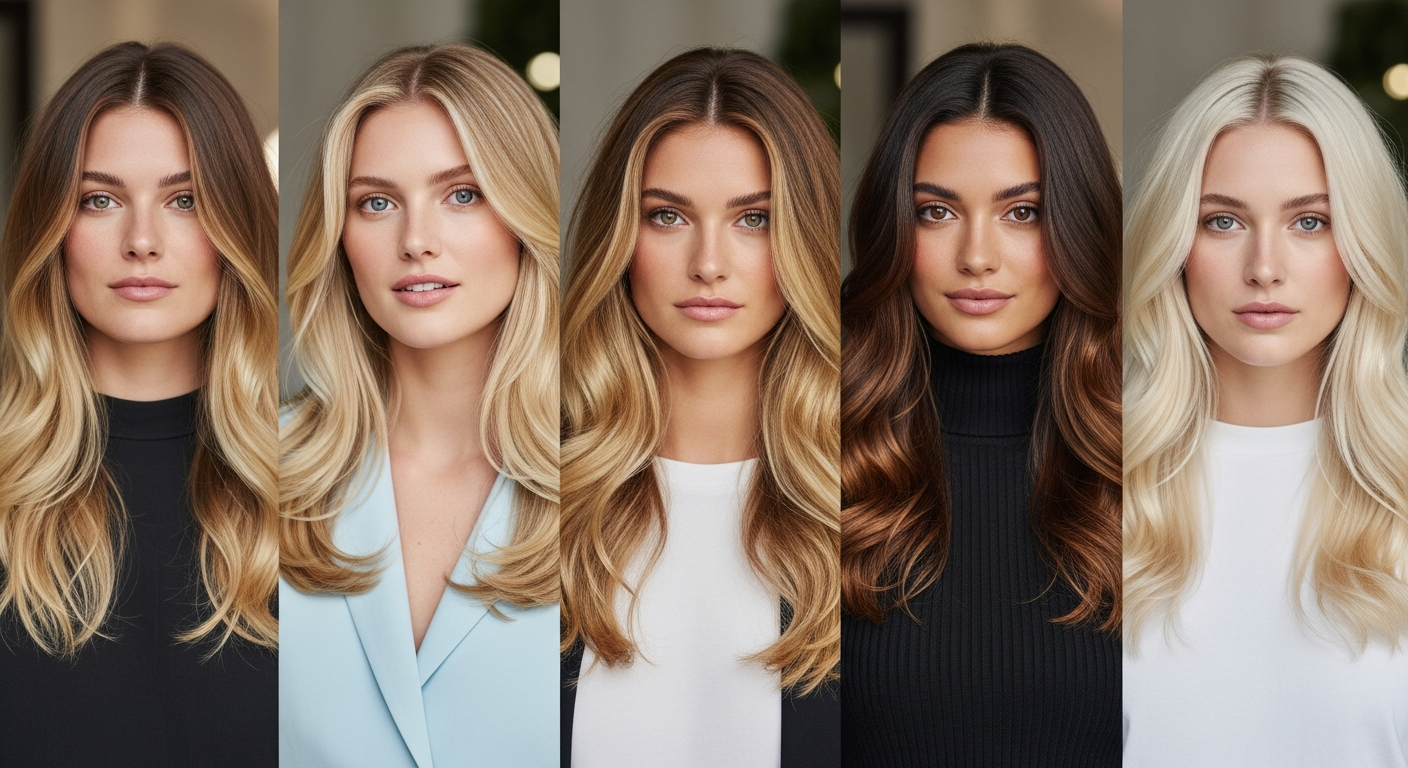
The Most Requested Highlight Looks – This article examines popular highlight techniques and styles, often referred to as “highlight looks,” that have gained prominence in contemporary cosmetology. These techniques aim to add dimension, brightness, and visual interest to hair coloring. The evolution of highlighting has moved beyond simple block color applications to more nuanced and blended approaches that mimic natural hair color patterns or create specific aesthetic effects. Understanding these looks involves exploring their defining characteristics, application methods, and the underlying principles of color theory that contribute to their success.
Hair highlighting is a coloring process that selectively lightens strands of hair. This technique serves to create contrast, add depth, and enhance the overall appearance of the hair. The fundamental principle behind highlighting is to introduce lighter tones against the natural or base hair color, thereby sculpting the hair with light and shadow. This sculpting effect can alter the perception of hair volume, texture, and facial features. The success of any highlight look is contingent on a foundational understanding of hair structure, color theory, and the precise application of lightening agents.
The Role of Color Theory in Highlighting
Color theory provides the scientific backbone for effective highlighting. Understanding the color wheel, primary and secondary colors, and complementary colors is crucial for selecting tones that will complement the client’s natural hair color and skin undertones.
Complementary Colors and Tone Correction
Complementary colors, situated opposite each other on the color wheel, are key to neutralizing unwanted tones. For instance, if a client’s hair develops brassy or orange undertones after lightening, a toner with violet or blue pigments can be used to counteract these. This is akin to mixing opposite flavors in cooking to achieve a balanced taste profile; in hair color, it’s about achieving a neutral or desired shade.
Warm vs. Cool Tones
The distinction between warm and cool tones is paramount. Warm tones (reds, oranges, yellows) can add vibrancy and energy, while cool tones (blues, violets, ash) can create a more subdued and sophisticated effect. The choice between warm and cool highlights depends entirely on the desired outcome and the client’s natural complexion. A warm skin tone often benefits from warm highlights, while a cool skin tone can be enhanced by cool highlights, though exceptions and nuanced applications exist.
The Color Wheel as a Guide
The color wheel acts as a map for hairdressers, illustrating the relationships between different colors. By understanding where specific shades fall on the wheel, one can predict how they will interact and how to achieve desired results, whether it’s lifting to a specific level or neutralizing an underlying pigment.
Hair Structure and Lightening Processes
The inherent structure of hair dictates how it will receive and react to lightening agents. Hair strands are composed of three layers: the cuticle, cortex, and medulla. The cuticle is the outermost layer, acting as a protective shield. The cortex is the middle layer, containing pigment granules that give hair its color. The medulla is the innermost layer, often absent in fine hair.
The Cuticle and Its Permeability
The lightening process involves opening the cuticle to allow the lightening agent to penetrate the cortex and break down melanin, the natural pigment in hair. The condition of the cuticle—whether it is smooth, raised, or damaged—significantly influences the evenness and integrity of the lightening process. Damaged cuticles can lead to uneven lightening and increased breakage.
Melanin Depigmentation
Lightening agents work by oxidizing melanin. This process gradually removes pigment, allowing the hair to become lighter. The extent of lightening depends on the strength of the developer, the processing time, and the natural melanin content of the hair. Red and dark brown hair, for example, contains more eumelanin, which can be more resistant to lightening and often reveals warmer underlying pigments at lower lift levels.
Hair Porosity and Absorption
Porosity refers to the hair’s ability to absorb and retain moisture. High porosity hair, with an open cuticle, readily absorbs products but also loses moisture quickly. Low porosity hair, with a tightly closed cuticle, is resistant to moisture absorption but holds onto it well. Porosity affects how evenly color is absorbed and how long it lasts. High porosity hair may absorb toner more quickly and intensely, potentially leading to a darker or more saturated result.
If you’re interested in exploring more about the latest hair trends, be sure to check out the article on fall hair trends, which offers insights into the most popular styles and colors for the season. You can read it here: Fall Hair Trends Guide. This resource complements the discussion on the most requested highlight looks, providing a comprehensive overview of how to elevate your hairstyle this autumn.
The Evolution of Highlight Techniques
Highlighting has undergone significant transformations, moving from rigid streaks to seamless and multidimensional finishes. This evolution reflects advances in product technology and a greater understanding of hair as a canvas for artistic expression. Early methods, while innovative for their time, often resulted in a more artificial appearance. Modern techniques prioritize a natural blend, offering versatility in both subtle and dramatic transformations.
From Foils to Balayage: A Paradigm Shift
The introduction and refinement of various application techniques have been instrumental in shaping current highlight trends. Each method offers unique benefits and achieves distinct visual outcomes.
Classic Foiling: Precision and Control
Traditional foiling involves isolating sections of hair and applying a lightener or color to them, which are then wrapped in foil. This technique offers a high degree of precision and control, allowing for concentrated lightening and the creation of sharp, defined highlights.
Sectioning and Placement Strategies
Effective foiling relies on meticulous sectioning of the hair. This ensures that highlights are placed strategically to frame the face, add dimension to the crown, or create specific patterns. The size of the foil, the density of the section, and the spacing between highlights all contribute to the final look.
Processing and Rinsing Protocols
Careful monitoring of the lightening process is essential when using foils. The foils trap heat, accelerating the lightening action. Therefore, regular checks are necessary to prevent over-processing and damage. Once the desired level of lift is achieved, the foils are removed, and the hair is thoroughly rinsed and toned.
Balayage: The Art of “Sweeping” Color
Balayage, a French word meaning “to sweep,” is a freehand technique where color is applied directly to the surface of the hair, creating a soft, multidimensional, and lived-in look. This method avoids harsh lines and mimics the natural sun-kissed effect.
Freehand Application Methods
Balayage is typically applied without foils. The colorist paints the lightener onto the hair with a brush, strategically placing it to create depth and dimension. This allows for a more natural graduation of color from root to tip.
Creating a Sun-Kissed Effect
The goal of balayage is often to replicate the natural lightening that occurs when hair is exposed to the sun. This is achieved by painting lighter pieces onto the surface of the hair, leaving the underneath sections darker, thus creating a seamless transition.
Teasing and Other Blending Techniques
Beyond distinct methods like foiling and balayage, various application nuances contribute to the overall blend and softness of highlight looks.
Teasy-Lights: Blending Foils with a Lighter Touch
Teasy-lights, also known as “foilyage,” combines the precision of foiling with the blended effect of balayage. Hair is teased before lightening is applied, and then the teased sections are placed in foils. This technique allows for a deeper lift and brighter results than traditional balayage while still maintaining a softened, blended appearance.
The Role of Teasing in Softening Lines
Teasing removes the solid demarcation line often associated with traditional foiling. The finer strands that remain are then lightened, creating a more diffused and natural-looking highlight.
Achieving Brighter, Blended Highlights
When executed correctly, teasy-lights can achieve higher levels of lift and brighter highlights than freehand balayage, while still delivering the coveted soft, blended effect that is characteristic of modern highlighting.
Popular Highlight Looks and Their Characteristics
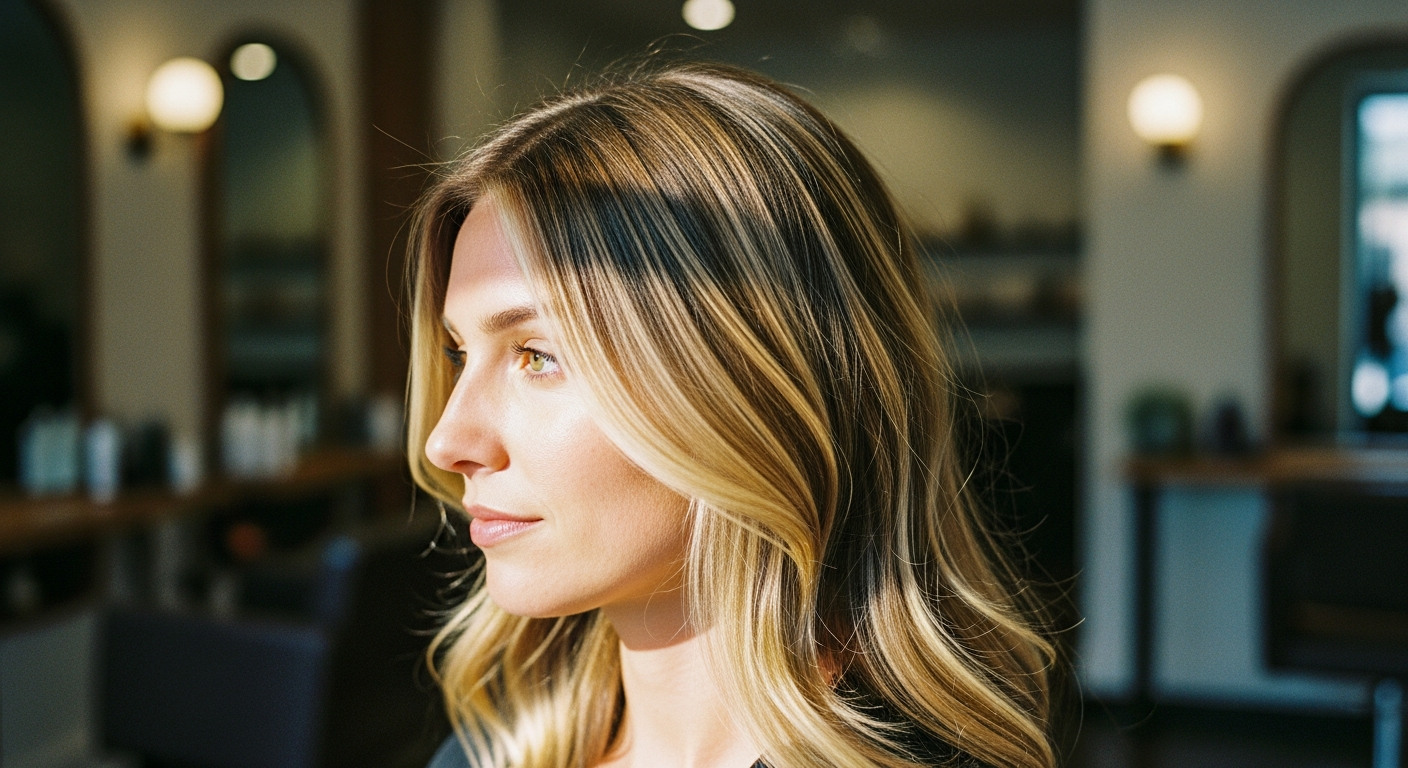
The landscape of highlight looks is constantly evolving, with certain styles achieving sustained popularity due to their aesthetic appeal and versatility. These looks often represent a synthesis of techniques and a nuanced understanding of client needs.
The Allure of the “Money Piece”
The “money piece” refers to a face-framing element of lighter hair concentrated around the front hairline. This technique is designed to draw attention to the face and add a bold, yet often subtle, spotlight effect.
Strategic Placement for Facial Framing
The placement of the money piece is crucial. It is typically applied to the strands closest to the face, from the part downwards. The width and intensity of the money piece can be adjusted to suit individual preferences and facial structures.
Creating a Luminous Glow
When done well, the money piece can create a luminous glow around the face, brightening the complexion and enhancing features. It acts as a perpetual beam of light, highlighting the client’s best attributes.
Ombré and Sombré: Gradual Color Transitions
Ombré and sombré are techniques that create a gradient effect where the hair color transitions from darker at the roots to lighter at the ends. While related, they differ in their subtlety and intensity.
Ombré: Bold Contrast and Distinct Ends
Ombré, meaning “shadow” in French, presents a more dramatic transition between colors. The contrast between the root shade and the lighter ends is typically more pronounced, with a clear demarcation line, though still blended.
Root Smudging for a Softer Blend
To soften the often harsh line of traditional ombré, colorists may employ a technique called “root smudging,” where a darker shade is applied subtly at the base, further blending into the lighter lengths.
Creating a Sunset Effect
The ombré effect can be likened to a painted sunset, with rich, deep colors at the horizon (the roots) gradually fading into lighter hues as they reach the sky (the ends).
Sombré: Subtle Subtlety and Natural Flow
Sombré, or “subtle ombré,” offers a more understated and natural-looking transition. The color change is less drastic, with a more diffused and blended gradient.
Elongating the Hair Visually
The subtle, flowing nature of sombré can create an illusion of added length and movement within the hair. The gradual shift in tone guides the eye down the strands.
Mimicking Natural Growth Patterns
Sombré often aims to mimic the natural way hair lightens towards the ends after prolonged sun exposure, resulting in a look that appears to have grown organically.
Babylights: Delicate and Natural-Looking Strands
Babylights are very fine, subtle highlights that mimic the natural color variations found in children’s hair. This technique aims for an understated, “barely there” effect that adds dimension without being overtly colored.
Mimicking Natural Sun-Kissing
The intention behind babylights is to replicate the soft, diffused lightening that occurs naturally as hair is exposed to the sun over time. This creates a youthful and innocent appearance.
Ultra-Fine Sections for a Delicate Effect
The key to babylights is the extremely fine weaving of hair that is lightened. These sections are often no thicker than a single strand of spaghetti, ensuring a subtle and natural blend.
Adding Subtle Dimension and Softness
Babylights add a touch of brightness and dimension without creating any harsh lines or obvious contrast. They contribute to an overall look of healthy, naturally luminous hair.
Foilyage: Combining Foils with a Balayage Feel
Foilyage is a hybrid technique that merges the precision of foiling with the blended aesthetic of balayage. It allows for a higher level of lift and brightness than traditional balayage while still achieving a soft, diffused result. This technique is essentially applying balayage artistry within the confines of a foil.
Achieving Brighter Lifts than Traditional Balayage
By utilizing foils, foilyage can achieve a more significant lift in color compared to freehand balayage. The foil creates an environment that intensifies the lightening process.
Controlled Diffusion of Color
The teasing and strategic placement within the foil allow for a controlled diffusion of color, preventing the harsh lines that can sometimes occur with full foiling.
Soft, Gradient Tones Like Balayage
Despite the use of foils, the goal of foilyage is to emulate the soft, natural-looking gradient of balayage, creating a seamless transition and multidimensional color.
Current Trends and Innovations in Highlighting
The field of hair highlighting is not static; it is a dynamic arena of artistic expression and technological advancement. New techniques and interpretations of existing ones continually emerge, driven by a desire for both novelty and practicality.
Lived-In Color and Low-Maintenance Blondes
The modern client often seeks highlight looks that offer longevity and require minimal upkeep. This has led to an emphasis on techniques that grow out gracefully, minimizing the need for frequent salon visits.
Seamless Grow-Out and Blended Roots
Tones and application methods are chosen to ensure that as the hair grows, the transition from the root to the highlight is as seamless as possible. This often involves techniques that create softness around the hairline and avoid sharp contrasts.
Avoiding Harsh Root Lines
The primary objective is to prevent the appearance of a stark, dark line at the root. This is achieved through techniques like root shadowing or by strategically placing highlights further away from the scalp.
The Appeal of Effortless Beauty
“Lived-in color” speaks to a desire for effortless beauty. It suggests a look that appears to have occurred naturally, requiring minimal styling and maintenance to look polished.
Rich Brunette Balayage: Depth and Dimension for Darker Hair
Highlighting is not exclusively for blondes. Brunette hair offers a rich canvas for subtle or dramatic lightening, adding depth, dimension, and visual interest to darker shades.
Adding Dimension Without Drastic Color Change
For brunettes, the goal is often to add shimmering strands and movement rather than a complete color overhaul. This can be achieved with tones that are just a few shades lighter than the base color.
Warm Undertones in Brunette Balayage
Warm tones, such as caramel, toffee, or copper, can be particularly effective in adding richness and warmth to brunette balayage, creating a luxurious and inviting look.
Creating a Subtle “Halo” Effect
The strategic placement of lighter pieces can create a “halo” effect around the face and through the hair, giving the impression of increased volume and a vibrant sheen.
Peach, Rose Gold, and Pastel Hues: Creative Color Applications
Beyond natural tones, expressive and imaginative color applications are gaining traction, allowing for greater personalization and artistic flair.
Pastel Tones for a Subtle Statement
Pastel shades, such as soft peach, rose gold, lavender, or mint green, offer a playful yet sophisticated way to incorporate fashion colors into a highlight look. These are often achieved by lightening hair to a very pale blonde base before applying the pastel toner.
Underlying Pigment Considerations
Achieving clear pastel tones requires meticulous lightening to remove underlying pigments. The presence of yellow or orange undertones can alter the final pastel shade, leading to muddy or unexpected results.
Versatility in Application
Pastel highlights can be applied as all-over highlights, balayage, or as accent pieces, offering a wide range of creative possibilities.
If you’re looking to elevate your hairstyle game, you might find inspiration in the article about the most fashionable hairstyles you should try this year. The trends highlighted there complement the most requested highlight looks beautifully, offering a range of styles that can enhance your overall appearance. For more details, check out the full article here.
Maintaining Highlighted Hair: Care and Longevity
| Highlight Look | Popularity (%) | Average Appointment Duration (mins) | Price Range | Suitable Hair Length |
|---|---|---|---|---|
| Balayage | 35 | 120 | 80 – 150 | Medium to Long |
| Babylights | 25 | 90 | 70 – 130 | Short to Medium |
| Foil Highlights | 20 | 110 | 75 – 140 | Medium to Long |
| Ombre | 10 | 130 | 90 – 160 | Long |
| Chunky Highlights | 10 | 100 | 70 – 120 | Medium to Long |
The upkeep of highlighted hair is crucial for preserving its vibrancy, health, and the intended aesthetic of the highlight look. A good care regimen acts as a shield against the elements and the stresses of daily life.
The Importance of Sulfate-Free Shampoos and Conditioners
Sulfates are detergents that can strip hair of its natural oils, leading to dryness and color fading. Using sulfate-free products is a cornerstone of maintaining color integrity.
Preserving Color Vibrancy
Sulfate-free formulas cleanse the hair gently, minimizing the expulsion of artificial pigment from the hair shaft. This allows the toned highlights to retain their intended shade for longer.
Preventing Color Stripping
The harsh nature of sulfates can accelerate the fading process, effectively stripping away the freshly applied color. This negates the effort and expense of the highlighting service.
Protecting Against Dryness and Damage
Highlighted hair can be more porous and prone to dryness. Gentle cleansing and moisturizing formulas help to maintain hydration levels, keeping the hair soft and manageable.
Utilizing Color-Depositing Treatments and Toners
Regular use of color-depositing treatments or toners can help to refresh highlights between salon visits and correct any unwanted shifts in tone.
Neutralizing Brassiness and Maintaining Shine
Over time, highlights can develop brassy or orange undertones, particularly in warmer climates or with frequent exposure to heat styling. Color-depositing treatments, often in violet or blue shades, can counteract these unwanted tones.
The Role of Toning in Color Correction
Toning is essentially applying a semi-permanent color designed to neutralize or enhance existing tones. It is a crucial step in achieving and maintaining the desired shade of highlights.
Boosting Warmth or Coolness as Desired
These treatments can also be used to subtly enhance existing warm tones or to introduce a desired cool cast, allowing for ongoing personalization of the highlight look.
Minimizing Heat Styling and Environmental Exposure
Excessive heat and environmental stressors can significantly impact the health and color of highlighted hair. Protective measures are essential for long-term preservation.
The Impact of Heat on Hair Integrity
Styling tools such as flat irons, curling irons, and blow dryers emit heat that can dehydrate hair, cause breakage, and fade color. Using heat protectant sprays and employing lower heat settings are vital.
Heat Protectant Sprays as a Barrier
Heat protectant sprays create a thermal barrier on the hair shaft, diffusing the heat and minimizing damage. They are an indispensable tool for anyone who regularly uses heated styling appliances.
Protecting Against UV Rays and Chlorine
Sunlight, particularly its UV rays, can lighten and dry out hair. Chlorine found in swimming pools can also strip color and leave hair with a greenish tint. Wearing hats outdoors and rinsing hair thoroughly after swimming are recommended protective measures.
UV Protection for Hair
Specific hair products contain UV filters that help to shield the hair from the damaging effects of the sun’s rays.
Rinsing Hair After Swimming
Rinsing hair with fresh water before swimming can help to prevent the absorption of chlorine, and rinsing again immediately afterwards helps to remove any residual chemicals.
FAQs
What are the most popular highlight looks currently requested?
The most popular highlight looks include balayage, babylights, ombré, face-framing highlights, and chunky highlights. These styles vary in intensity and placement to suit different hair types and personal preferences.
How do I choose the best highlight look for my hair type?
Choosing the best highlight look depends on your natural hair color, texture, and maintenance preferences. Consulting with a professional stylist can help determine which technique will complement your features and lifestyle.
What is the difference between balayage and traditional highlights?
Balayage is a freehand painting technique that creates a natural, sun-kissed effect with softer, less noticeable regrowth lines. Traditional highlights use foils to create more uniform, defined streaks of color throughout the hair.
How often should I touch up my highlights?
Touch-up frequency varies by highlight type and hair growth rate but generally ranges from every 6 to 12 weeks. Techniques like balayage often require less frequent maintenance compared to traditional highlights.
Can highlights damage my hair?
Highlighting involves lightening the hair, which can cause some damage if not done properly. Using a skilled stylist, proper hair care products, and conditioning treatments can minimize damage and maintain hair health.
Our Beauty salon Hair by Molly is based proudly in Mission Texas 2614 E Griffin Pkwy Suite A, Mission, TX 78572. Book an appointment today by calling at 956-887-2297 or click here for a free hair consultation. Dont forget to follow us in our social media channels Instagram and Facebook and check our reviews on Google My Business. We eagerly await hearing from you soon!