
Table of Contents
Grey hair coverage refers to the process of concealing or altering the appearance of grey or white hair through various methods, primarily involving hair colorants. This phenomenon, often perceived as a sign of aging, is a natural biological process where melanin production in hair follicles decreases, leading to a lack of pigment. The approach to grey hair coverage is diverse, ranging from temporary solutions that wash out to permanent dyes that chemically alter the hair shaft. Understanding the science behind greying and the different coverage methods is crucial for individuals seeking to manage this aspect of their appearance.
Before delving into coverage, it’s essential to grasp why hair turns grey. This isn’t a sudden transformation but a gradual process. Check out the latest hair trends on social media for inspiration.
The Biology of Hair Pigmentation
Hair color is determined by melanin, a pigment produced by specialized cells called melanocytes located in the hair follicles. There are two primary types of melanin: eumelanin, which provides black and brown hues, and pheomelanin, responsible for red and yellow tones. The specific combination and amount of these melanosomes dictate an individual’s natural hair color. As we age, the activity of melanocytes begins to slow down, and eventually, their production ceases altogether. This results in newly grown hair strands lacking pigment, appearing white. The perception of “grey” hair often arises from a mix of pigmented and unpigmented strands.
Factors Influencing Greying
While age is the most significant factor, several other elements can influence the onset and progression of greying.
Genetics
Genetics play a substantial role in determining when an individual will start to grey. If your parents or grandparents experienced early greying, there’s a higher probability you will too. This inherited predisposition can manifest at various ages, from early twenties to much later in life.
Stress
While acute stress is not proven to directly cause permanent greying, chronic stress can exacerbate existing conditions and potentially accelerate the process. The exact mechanisms are still under investigation, but stress is known to impact various physiological functions, including those related to hair health.
Nutritional Deficiencies
Certain vitamin deficiencies, particularly B vitamins (B12, biotin), iron, and copper, have been linked to premature greying. These nutrients are vital for melanin production and overall hair follicle health. Addressing such deficiencies through diet or supplementation can sometimes mitigate further greying, although it rarely reverses existing white hair.
Medical Conditions
Some medical conditions can be associated with early greying. These include autoimmune disorders like vitiligo, pernicious anemia, and thyroid dysfunction. In such cases, treating the underlying medical condition may or may not impact the hair’s pigment production.
If you’re exploring options for grey hair coverage, you might find it interesting to read about reverse balayage, a technique that can create a beautiful blend of colors while softening the appearance of grey hair. This method not only enhances your natural hair color but also adds depth and dimension. For more information on this innovative approach, check out the article here: What is Reverse Balayage?.
Types of Grey Hair Coverage
The landscape of grey hair coverage is vast, offering a spectrum of options tailored to different needs, preferences, and commitment levels. Choosing the right method involves considering factors like desired longevity, chemical sensitivity, and the percentage of grey hair.
Temporary Hair Colorants
Temporary colorants are akin to a passing shower; they offer a fleeting change. These products deposit pigment only on the outer layer of the hair shaft and do not penetrate the cuticle.
Colored Conditioners and Shampoos
These products contain mild dyes that lightly stain the hair. They are often used to refresh existing color, add subtle tones, or provide minimal grey blending. Their effect typically lasts for 1-2 washes, making them suitable for experimentation or a quick fix.
Root Concealers
Root concealers come in various forms, including sprays, powders, and mascaras. These are specifically designed for targeted application to cover grey roots between full coloring sessions. They offer immediate, localized coverage and wash out with the next shampoo. For someone with early greying at the part line, these products act as a quick, opaque curtain.
Semi-Permanent Hair Colorants
Semi-permanent options offer a longer-lasting effect than temporary ones, typically enduring 4-8 washes. They penetrate the outer cuticle layer but do not enter the inner cortex of the hair shaft.
Direct Dyes
These dyes contain pre-formed color molecules that adhere to the hair’s exterior and a short distance into the cuticle. They do not require a developer (peroxide) and are therefore less damaging than permanent dyes. They offer vibrant colors and can be effective for blending a small percentage of grey hair, but they don’t provide complete opacity.
Glosses and Tones
Often used in salons, glosses and toners are milder forms of semi-permanent color. They can add shine, enhance existing color, and soften the appearance of grey hair by blending it with the surrounding pigmented strands, rather than fully covering it. They act like a sheer veil, harmonizing the overall color.
Demi-Permanent Hair Colorants
Demi-permanent hair colorants represent a middle ground between semi-permanent and permanent dyes. They contain small amounts of peroxide, which opens the cuticle slightly, allowing the color molecules to penetrate deeper than semi-permanents but not as deeply as permanents.
Oxidation Dyes with Low Peroxide
These dyes are mixed with a low-volume developer, typically 6-10 volume. They offer better grey blending and coverage than semi-permanents, lasting up to 24 washes. They fade gradually, reducing the harsh root line often associated with permanent dyes. They are a good choice for individuals seeking more substantial grey coverage without the full commitment and potential damage of permanent color.
Permanent Grey Coverage
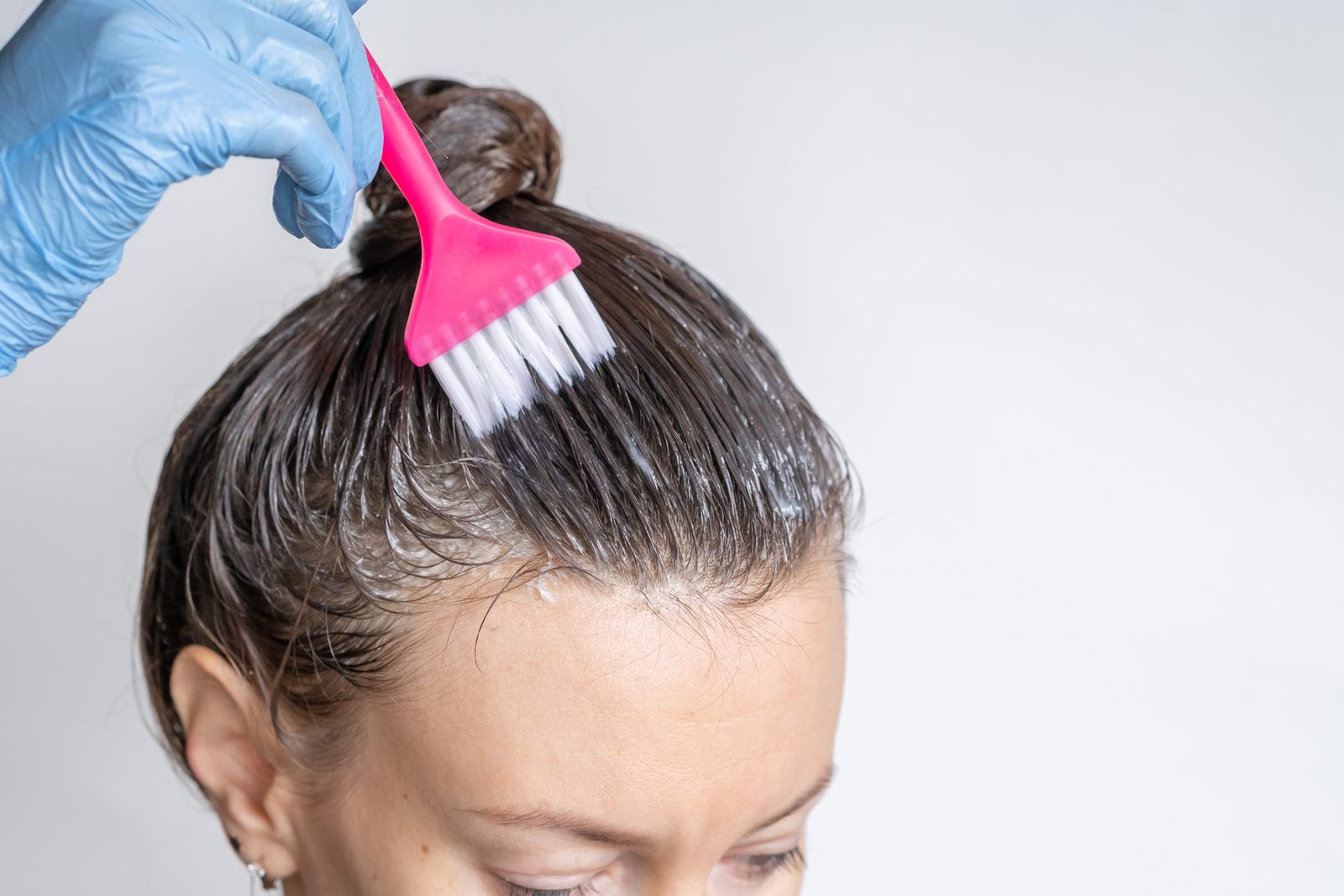
Permanent hair color is the most effective and long-lasting method for concealing grey hair. It provides 100% grey coverage by chemically altering the hair’s internal structure. However, this also implies a higher level of commitment and potential for hair damage if not applied correctly.
Understanding Permanent Dyes
Permanent hair dyes use an oxidation process to create a lasting color change.
Ammonia and Peroxide
Most permanent dyes contain ammonia (or a substitute like monoethanolamine) and hydrogen peroxide. Ammonia opens the hair cuticle, allowing the dye molecules to penetrate the cortex. Peroxide acts as an oxidizing agent, activating the dye precursors inside the hair shaft to form larger, permanent color molecules. These molecules are too large to wash out, thus providing lasting color.
Pigment Deposition
Once inside the cortex, the dye molecules combine to create the desired shade. This process effectively redeposits pigment into the unpigmented grey strands, making them appear colored. The challenge with grey hair is its coarser texture and closed cuticle, which can sometimes resist color penetration. Formulations specifically designed for grey hair often have higher ammonia content or specialized penetrating agents.
Techniques for Permanent Coverage
Various techniques are employed to achieve optimal permanent grey coverage.
Full Coverage
This involves applying the chosen hair color to all grey areas, typically covering the entire head. It’s the most straightforward method for comprehensive grey concealment. For someone with a high percentage of grey, this is often the default approach.
Root Touch-Ups
As hair grows, the uncolored grey roots become visible. Root touch-ups involve applying permanent color specifically to these new growth areas. This is a recurring process, typically needed every 3-6 weeks, depending on the speed of hair growth. This is the ongoing maintenance that keeps the illusion of youthful color consistent.
Blending and Highlighting for Grey Hair
Instead of full coverage, some individuals opt for blending techniques. This involves using lighter shades or highlights to strategically weave in color, making the grey hair less noticeable by scattering light and creating dimension. This approach doesn’t hide all grey but rather integrates it into the overall hair color, creating a softer, more natural transition as hair grows out. This method is like introducing an optical illusion.
Considerations Before Coloring Grey Hair
Embarking on the journey of grey hair coverage requires careful thought and preparation. Several factors must be weighed to ensure a successful outcome and maintain hair health.
Hair Health and Condition
The canvas upon which you paint – your hair – is paramount. Grey hair can often be coarser, drier, and more resistant to color due to its lack of pigment and changes in its structure.
Porosity and Texture
Grey hair tends to be less porous, meaning its cuticle is tightly closed, making it harder for dye molecules to penetrate. This “resistance” can lead to uneven color or poor grey coverage if not addressed. Conversely, if previous chemical treatments have damaged the hair, making it highly porous, it might absorb color too quickly, leading to an overly dark or dull result. A strand test is a window into your hair’s unique response.
Previous Chemical Treatments
Prior perms, relaxers, or color treatments can significantly impact how new color takes. The hair’s integrity might be compromised, or existing chemicals could react negatively with the new dye, leading to unpredictable results. It’s crucial to inform your stylist about any past chemical services.
Choosing the Right Shade
The selection of a hair color shade is not merely about preference; it’s a strategic decision influenced by skin tone, natural hair color, and the desired level of maintenance.
Matching Skin Tone
The goal is to choose a shade that complements your skin tone. Warm skin tones (with golden or olive undertones) generally suit warmer hair colors (golden blondes, auburns, warm browns), while cool skin tones (with pink or blue undertones) look best with cooler shades (ash blondes, cool browns, blacks). A mismatch can make the skin appear sallow or flushed.
Natural Hair Color Considerations
When covering grey hair, aiming for a shade close to your original natural hair color often yields the most convincing results. Deviating too far from your natural shade can lead to a stark contrast at the roots as new hair grows, requiring more frequent touch-ups. For those embracing slight grey, a shade that blends rather than completely covers can be an elegant solution.
The Role of Undertones
Hair colors possess undertones (e.g., ash, golden, red, violet) that influence the final result. Understanding these undertones is crucial for neutralizing unwanted brassiness or achieving a desired warmth. For example, ash tones can counteract unwanted yellowing in grey hair, while golden tones can add warmth.
Patch Testing and Strand Testing
These are non-negotiable steps before any significant color application. They act as a critical safety net.
Allergy Patch Test
A patch test (or skin allergy test) is performed 48 hours before coloring to check for any allergic reactions to the dye ingredients. A small amount of mixed dye is applied to a discreet area of the skin (e.g., behind the ear or inner elbow). Redness, itching, or swelling indicates an allergy, and the product should not be used. This test is a shield against adverse reactions.
Strand Test
A strand test involves applying a small amount of mixed dye to a hidden strand of hair (e.g., from the nape of the neck). This allows you to observe how the color will develop on your specific hair, how long it takes, and the final shade achieved. It’s particularly important for grey hair, which can respond differently to color. This test is analogous to a dress rehearsal before the main performance.
If you’re considering options for grey hair coverage, you might find inspiration in various hair color trends. For example, exploring vibrant shades can be a great way to refresh your look while effectively covering greys. A related article that showcases some stunning ideas is available at The Best Red Hair Color Ideas for 2022, where you can discover how bold colors can not only enhance your style but also provide excellent coverage for those stubborn grey strands.
Maintaining Colored Grey Hair
| Age Group | Average Grey Hair Coverage (%) | Common Causes | Prevention Methods | Typical Onset Age |
|---|---|---|---|---|
| 20-30 years | 5-10% | Genetics, Stress | Healthy diet, Stress management | Late 20s |
| 31-40 years | 10-25% | Genetics, Oxidative stress | Antioxidants, Hair care | Early 30s |
| 41-50 years | 25-50% | Genetics, Hormonal changes | Hair dyes, Nutritional supplements | Mid 40s |
| 51-60 years | 50-75% | Genetics, Aging | Hair dyes, Scalp treatments | Late 50s |
| 61+ years | 75-100% | Aging, Genetics | Hair dyes, Acceptance | 60+ |
Once grey hair is colored, the journey isn’t over. Maintaining the color requires a continuous regimen of specialized care and regular upkeep.
Specialized Hair Care Products
The chemicals involved in coloring, especially permanent dyes, can alter the hair’s structure and leave it more vulnerable to dryness, fading, and damage.
Color-Safe Shampoos and Conditioners
These products are specifically formulated to protect hair color. They are typically sulfate-free, as sulfates can strip away color molecules. They also often contain ingredients that help seal the cuticle, keeping the color locked in. Using them is like protecting your investment.
UV Protection
Sun exposure can drastically fade hair color and dull its vibrancy. Products containing UV filters (e.g., leave-in sprays, serums) can shield hair from the sun’s harmful rays, acting as a sunscreen for your strands.
Deep Conditioning Treatments
Colored hair, particularly grey hair, benefits from regular deep conditioning treatments or masks. These treatments replenish moisture, repair damage, and improve the hair’s overall elasticity and shine, contributing to better color retention and healthier-looking hair.
Managing Root Regrowth
The most persistent challenge in maintaining colored grey hair is managing root regrowth, a stark reminder of nature’s relentless schedule.
Regular Touch-Ups
The frequency of root touch-ups depends on how quickly your hair grows and the contrast between your colored hair and your natural grey. Typically, touch-ups are needed every 3-6 weeks. Neglecting them can lead to a noticeable “skunk stripe” effect.
Blending or Highlighting Options
For those who wish to soften the regrowth line, strategically placed highlights or lowlights can help blend the grey roots with the colored hair, creating a more diffused appearance. This can extend the time between full root touch-ups. It’s a way of making the natural process seem less abrupt.
Temporary Root Concealers
As discussed earlier, temporary root concealers (sprays, powders, mascaras) offer a convenient stop-gap solution for camouflaging grey roots between salon visits or full color applications. They are invaluable for extending the life of your color.
The Transition to Natural Grey
For some, grey hair coverage is a temporary measure, a bridge to a future of embracing their natural silver strands. The transition itself can be a journey.
Growing Out Grey Hair Gracefully
Patience is key for a graceful transition. Strategies include gradually going lighter with highlights, cutting hair shorter to remove colored ends faster, or using demi-permanent dyes that fade naturally, allowing the grey to emerge slowly.
Embracing Silver Hair
Choosing to embrace natural grey hair is a personal decision that often signifies a shift in perspective. Many individuals find liberation in shedding the routine of coloring. It requires a different approach to hair care, focusing on enhancing the natural beauty of silver, such as using purple shampoos to counteract yellow tones and maintaining excellent hair health for shine. This final act is perhaps the ultimate form of self-acceptance.
FAQs
What causes grey hair?
Grey hair is primarily caused by the natural aging process, where the pigment-producing cells in hair follicles gradually decrease melanin production. Genetics, stress, and certain medical conditions can also contribute to premature greying.
Can grey hair be permanently covered?
While grey hair can be effectively covered with hair dye, permanent coverage depends on the type of dye used. Permanent hair dyes penetrate the hair shaft and provide long-lasting color, but new grey hair growth will require regular touch-ups.
What types of hair dye are best for covering grey hair?
Permanent and semi-permanent hair dyes are commonly used to cover grey hair. Permanent dyes offer longer-lasting coverage, while semi-permanent dyes provide a gentler option with less commitment. Choosing the right product depends on hair type, desired color, and maintenance preferences.
How often should I touch up grey hair coverage?
Touch-up frequency varies based on hair growth rate and dye type but typically ranges from every 4 to 6 weeks. Regular touch-ups help maintain consistent color and cover new grey growth.
Are there natural methods to cover grey hair?
Some natural options, such as henna, coffee, or herbal rinses, can temporarily darken grey hair. However, these methods may not provide complete or long-lasting coverage compared to chemical dyes.
Is it safe to dye grey hair frequently?
Frequent dyeing can cause hair damage if not done properly. Using high-quality products, following instructions, and conditioning treatments can help maintain hair health. Consulting a professional stylist is recommended for best results.
Can grey hair coverage affect hair texture?
Hair dye chemicals can sometimes alter hair texture, making it drier or more brittle. Proper hair care, including moisturizing and protein treatments, can minimize these effects.
Are there products specifically designed for grey hair coverage?
Yes, many brands offer products formulated to cover grey hair effectively, including permanent dyes, root touch-up kits, and color-depositing shampoos and conditioners designed to enhance and maintain color.
Our Beauty salon Hair by Molly is based proudly in Mission Texas 2614 E Griffin Pkwy Suite A, Mission, TX 78572. Book an appointment today by calling at 956-887-2297 or click here for a free hair consultation. Dont forget to follow us in our social media channels Instagram and Facebook and check our reviews on Google My Business. We eagerly await hearing from you soon!


